CIRCUDOWN / THE RECYCLED DOWN KNOWLEDGE CENTER
Down knowledge for buyers and product teams
Start with six practical guides to recycled down, loft measurement, jacket specifications and certification. Explore the supporting guides for processing and traceability.

Knowledge center
What Is Recycled Down? A Buyer’s Guide to Origin, Composition and Use
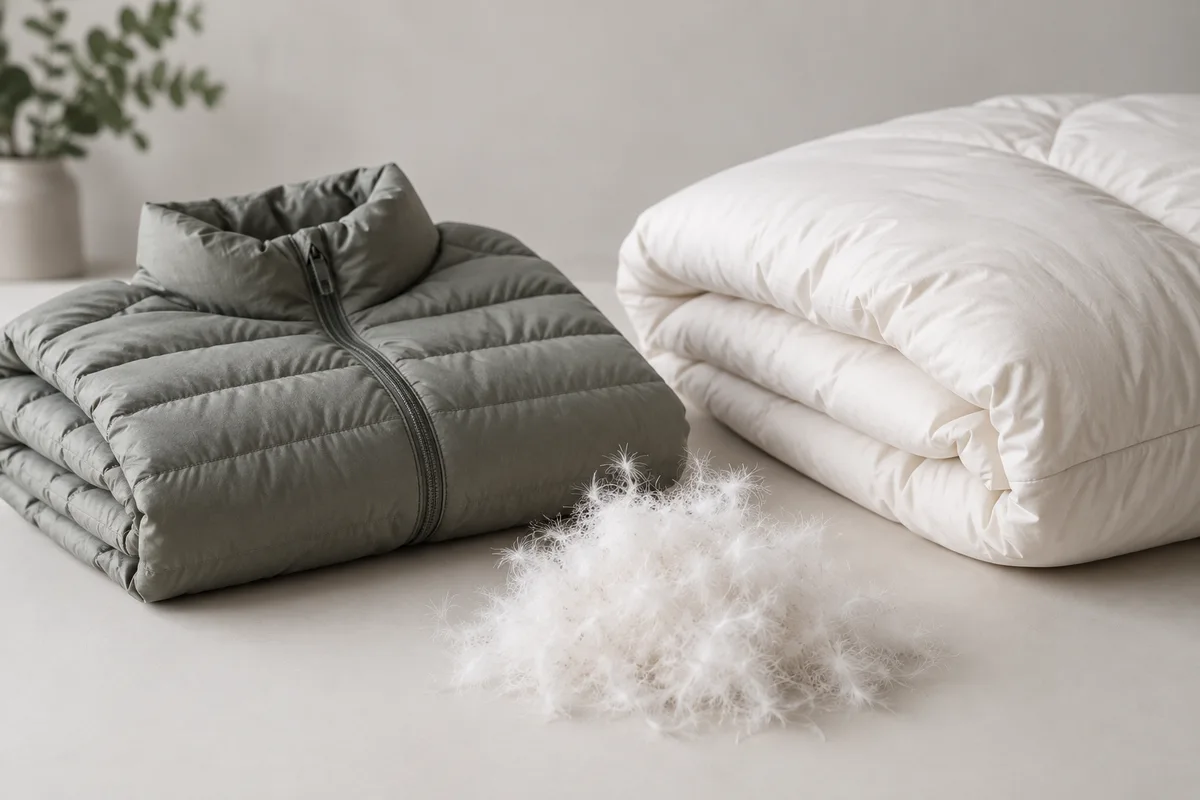
Recycled down is down recovered from used products or qualifying manufacturing waste and reprocessed for use as filling. It remains an animal-derived material. For a buyer, recycled origin, down content and fill power answer different questions: where the material came from, what it contains and how it lofts under a specified test.
Explore the guide ↗
Buyer guide
Recycled Down vs Virgin Down: How Should Buyers Compare Them?
The main difference between recycled down and virgin down is material origin: recovered filling versus newly sourced filling. Buyers should compare composition, measured performance, documentation and finished-product results on the same basis. Neither origin label alone establishes warmth, cleanliness, suitability or the total cost of a product.
Explore the guide ↗
Buyer guide
How to Read a Recycled Down Fill Power Test Report
Read a recycled down fill power test report by connecting the result to its sample identity, test method, conditioning procedure and units. Then compare it with the agreed purchasing specification. Fill power describes measured loft under specified conditions; it does not by itself establish composition, recycled origin or finished-product warmth.
Explore the guide ↗
Measurement & specifications
Fill power vs down power: how should buyers compare them?
Both terms describe down bulkiness under test conditions. Fill power is commonly reported in cubic inches per ounce; Japanese down power is commonly reported in cm³/g. Compare the method as well as the unit.
Explore the guide ↗
Buyer specification guide
How to specify recycled down for a jacket
Begin with the jacket construction and intended use, then define filling composition, loft test, fill weight, cleanliness and traceability. Approve a sewn prototype before treating a material sample as a production specification.
Explore the guide ↗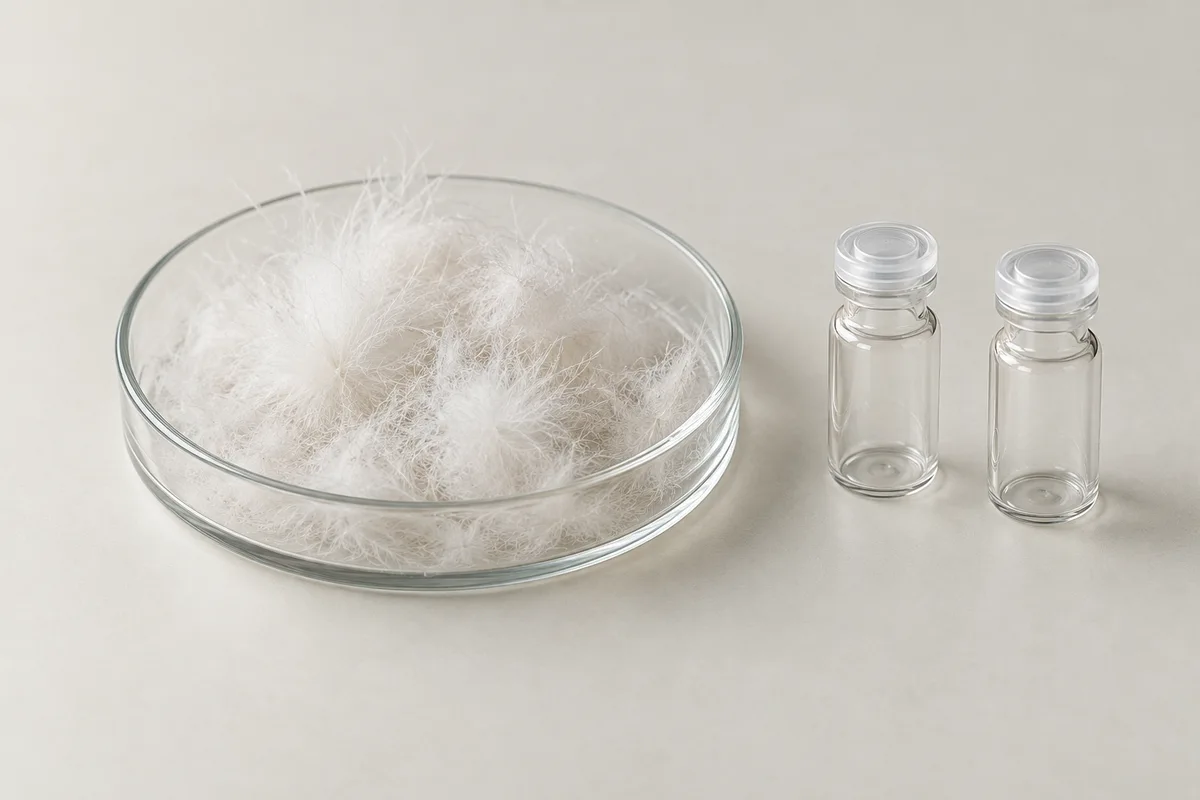
Certification & traceability
GRS vs RDS: what does each verify for down buyers?
GRS addresses recycled content and its certified supply chain. RDS addresses animal welfare in down and feather sourcing and chain of custody. Neither replaces a material specification or laboratory report.
Explore the guide ↗
Knowledge center
How to Qualify a Recycled Down Sample Before Ordering
Qualify a recycled down sample against a written specification, relevant laboratory results and a trial in the intended product. Record what was approved, retain an identified reference sample and agree how future production lots will be sampled and accepted. Sample approval supports a purchasing decision; it does not prove that every bulk delivery will match.
Explore the guide ↗
Knowledge center
How is recycled down made?
Recycled down is made by recovering filling, sorting and separating it, then washing, treating, drying and testing it for reuse. Exact processing parameters depend on the input and production controls.
Explore the guide ↗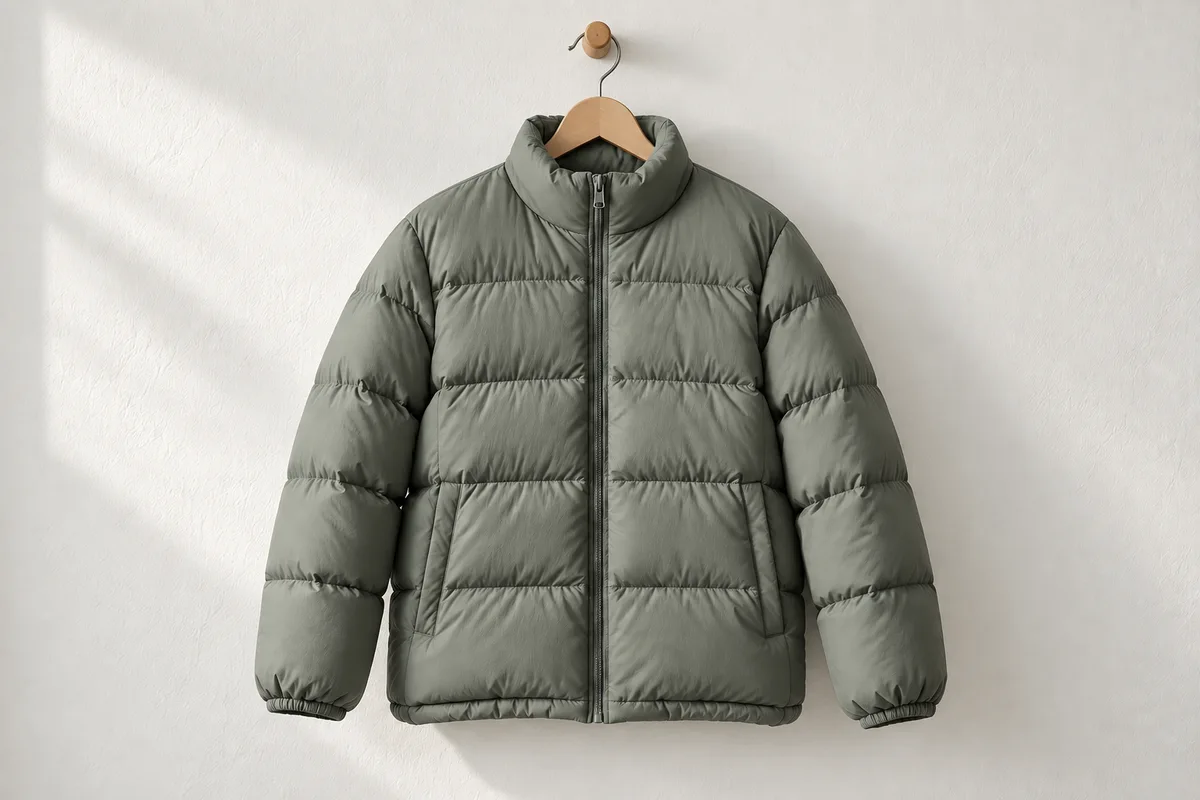
Knowledge center
Is recycled down warm?
Recycled down can provide insulation when its composition and loft are suitable for the product. Warmth depends on fill weight, construction, fit and use conditions as well as the filling itself.
Explore the guide ↗
Knowledge center
Post-consumer vs. pre-consumer down
Post-consumer down is recovered after a product has served its end use. Pre-consumer material is qualifying waste diverted during manufacturing; its eligibility must be checked under the applicable recycled standard.
Explore the guide ↗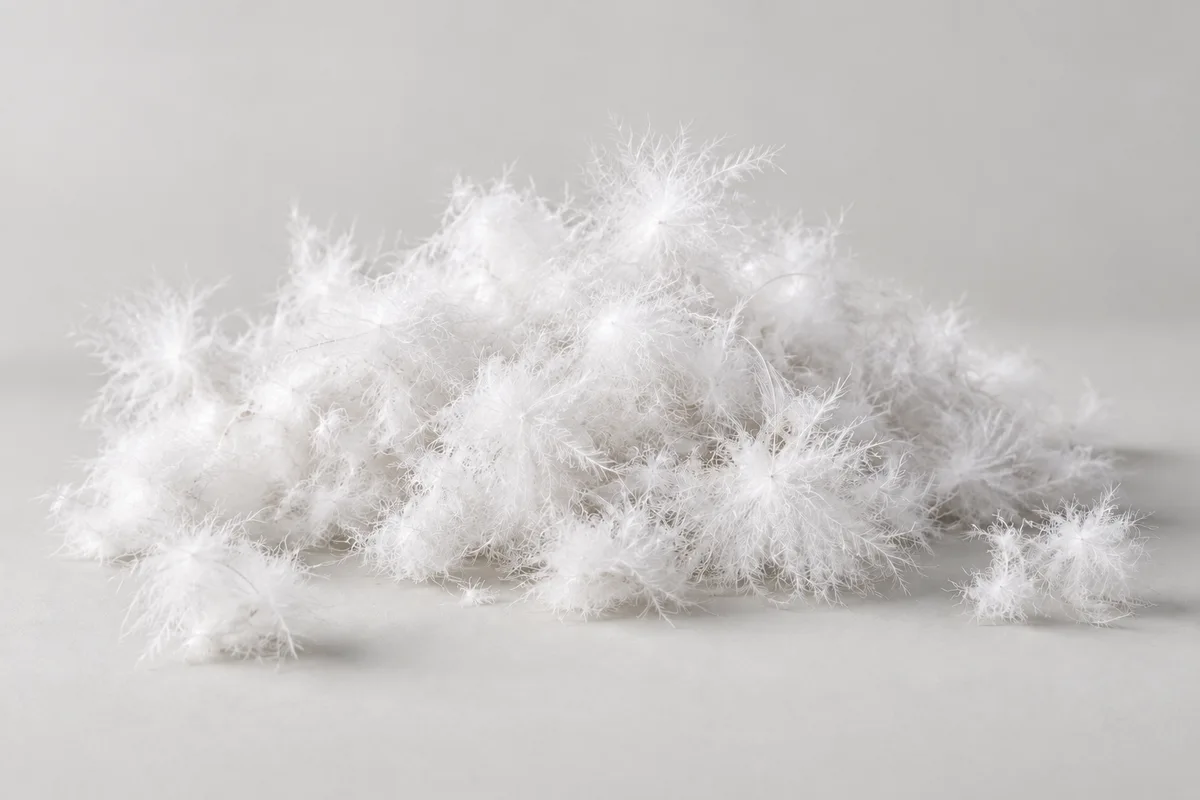
Buyer guide
Is Recycled Down Hygienic? A Buyer’s Guide to Cleaning and Test Evidence
Recycled origin alone does not establish whether a down filling meets hygiene requirements. A buyer should evaluate the processing information, relevant cleanliness and other test results, and the condition of the delivered lot. Visual appearance and an odor-free handful cannot replace a defined testing and acceptance plan.
Explore the guide ↗
Buyer guide
Recycled Down Traceability: Which Documents Should Follow a Batch?
Recycled down traceability connects an identified material batch with its specification, relevant test evidence and supply-chain records. Buyers should be able to follow the lot through sampling, processing or handling, shipment and receipt. Certification documents and quality reports support different questions; neither replaces a clear connection to the goods delivered.
Explore the guide ↗
Knowledge center
Is recycled down ethical?
Recycled down reuses an existing material, but recycled origin alone does not establish every ethical or environmental claim. Buyers should assess traceability, labor and processing practices, and the evidence behind each statement.
Explore the guide ↗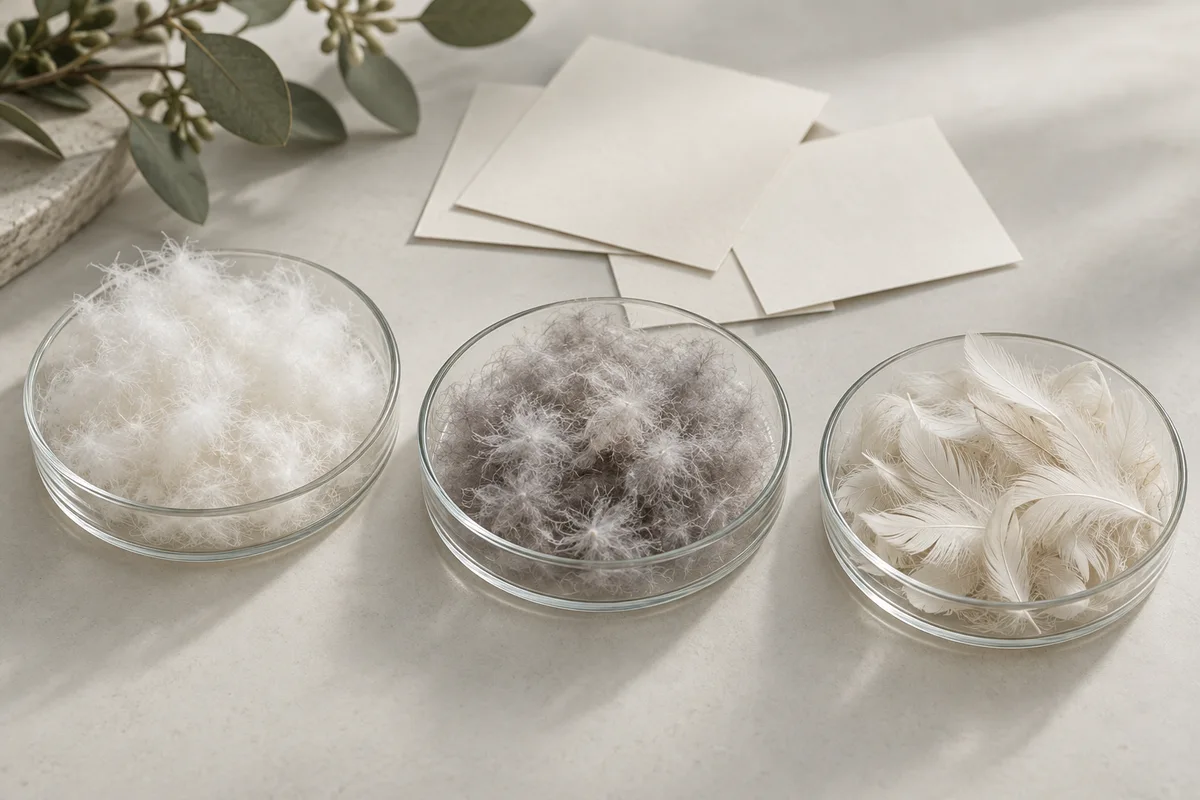
Knowledge center
Recycled down FAQ for buyers
Recycled-down sourcing starts with application, composition, testing and traceability requirements. These answers separate material facts from details that require a lot-specific quotation.
Explore the guide ↗Buyer guide
GRS Recycled Down: What B2B Buyers Need to Know
Buying GRS recycled down requires more than a supplier certificate. Verify the certified entity and relevant scope, define the recycled-content requirement, and establish the transaction evidence for the goods being purchased. Separately agree the down specification and performance tests: GRS certification is not a fill power or warmth rating.
Explore the guide ↗Buyer guide
What Determines Recycled Down Prices? How to Compare Supplier Quotes
Recycled down prices depend on the specified material and the commercial package being quoted. Compare species, colour, composition, fill power requirements, testing, documentation, quantity and delivery terms before comparing the price per kilogram. There is no universal price in this guide: a useful quotation starts with an agreed brief.
Explore the guide ↗FROM MATERIAL TO POSSIBILITY
Request specifications, samples or a quote.
Share the application, duck or goose down, down content, fill power and method, standard or certification, estimated quantity and destination.